
Aerial Power Line Inspection

High-Zoom Imaging,Thermal Diagnostics,Close-Approach Autonomy

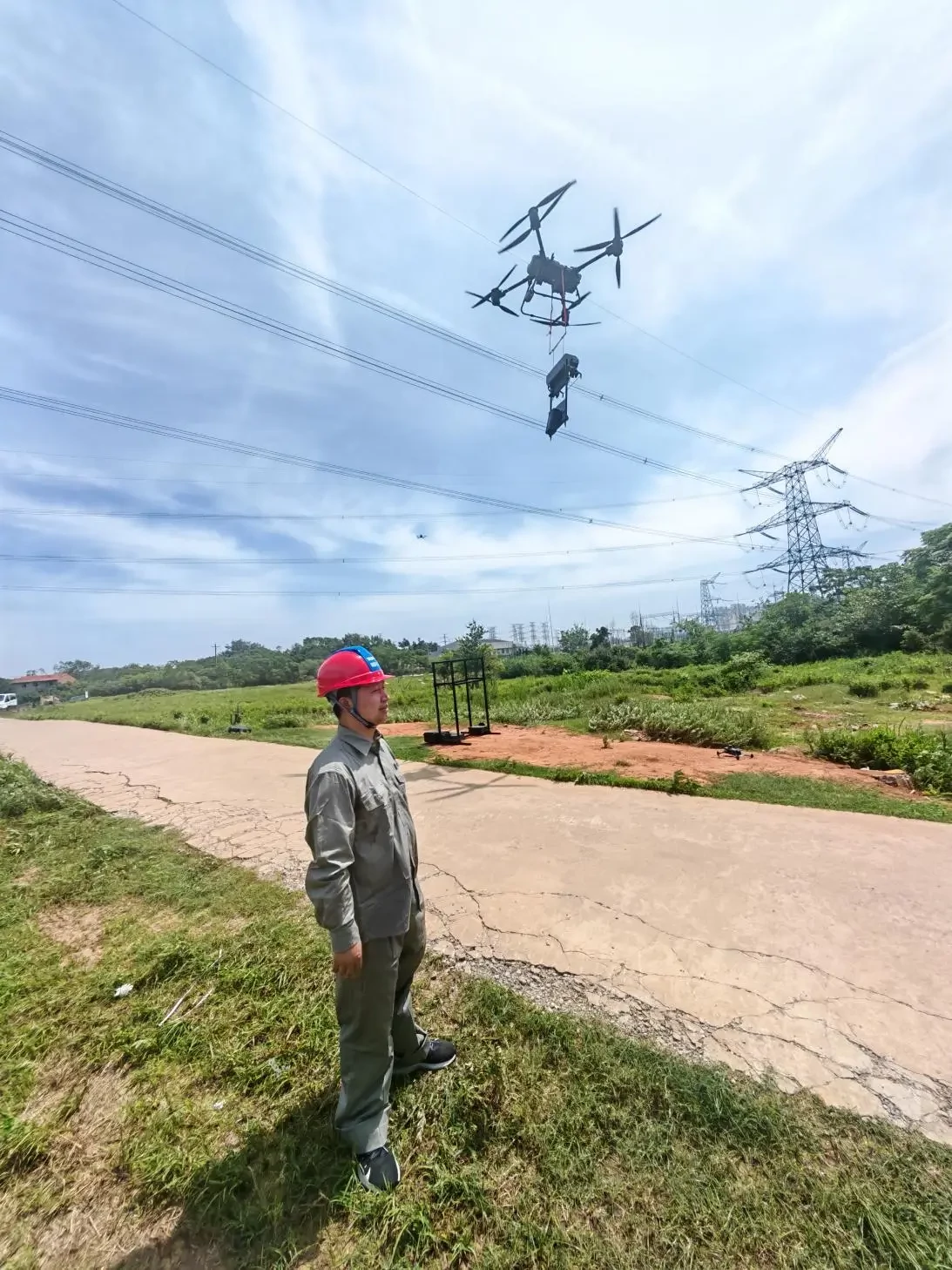
Power workers use drones to inspect power lines

Aerial Utility Operations

  1. Hard-to-Reach Transmission Corridors
    High-voltage lines span mountains, ravines, wetlands, and restricted right-of-way (ROW) areas. Reaching remote towers requires long travel times or costly helicopter-based traditional methods.
  2. Early Defects Invisible From Ground Level
    Cracked insulators, loose connectors, conductor galling, corrosion, and bird interference remain difficult to detect from ground crews due to limited angles and long spans during drone inspection planning.
  3. High Cost and Limited Precision of Helicopter Patrols
    Helicopters are expensive, weather-sensitive, and offer limited imaging detail. UAV-based power line inspection provides clearer views, minimizes dependence on weather conditions, and increases consistency across long corridors.
  4. Safety Risks to Field Personnel
    Climbing lattice towers, entering unstable terrain, or approaching energized structures introduces fall hazards and electrical risk. UAVs maintain a safe distance while capturing detailed structural data.
  5. Delayed Storm Recovery and Outage Response
    Blocked roads and damaged access routes slow ground teams. UAVs provide fast real time assessment for miles of transmission and distribution lines.

How UAVs Strengthen Power Line Operations

Precision Imaging

20×–40× zoom EO payloads, thermal camera modules detecting 2–3°C anomalies, and LiDAR generate sub-millimeter detail and high-density point cloud files for component evaluation and vegetation encroachment mapping.

Autonomous Proximity

Autonomy algorithms hold stable safe distance offsets from poles, crossarms, insulators, conductors, and hardware, enabling close-approach imaging without manual micro-positioning.
Rapid Assessment

Single flights cover several miles of corridor, capturing detailed data on broken poles, frayed conductors, debris impacts, and vegetation hazards to shorten outage restoration windows.

VANTA BOTICS Power Line UAV

Precision Imaging & Thermal Fault Detection

High-resolution EO/IR payloads support power line inspection workflows by identifying hotspots, corrosion, hardware defects, insulator cracks, and connector issues with consistent data collection.

Autonomous Corridor Flight Planning

Automated tower-to-tower waypoint creation, ROW-aware routing, and terrain-adaptive paths generate repeatable, audit-ready inspection reports.

Vegetation Encroachment & ROW Analysis

LiDAR-based point cloud modeling identifies vegetation encroachment, clearance distance violations, and fall-risk trees, improving utility vegetation management cycles.

Strengthen grid operations with UAV systems built for Aerial Power Line Inspection. Gain high-resolution imaging, thermal diagnostics, and safe tower-proximity views to locate faults faster and reduce storm-related downtime across long transmission corridors.

AI-Assisted Data Analysis

VANTA BOTICS provides automated data analysis, including:

  • AI-based defect tagging
  • Hotspot classification from thermal imaging
  • Structural component recognition
  • Vegetation clearance computation using LiDAR point cloud
  • Automated inspection reports compatible with utility asset systems

Standards and Compatibility

  • Workflows aligned with EPRI and North American T&D practices

  • GIS-ready data collection outputs (GeoTIFF, LAS, shapefile)

  • Compatible with ESRI Utility Network and utility work management systems

  • Supports FAA Part 107 and energized-line safe distance protocols

  • Designed to improve efficiency over traditional methods

Support for Grid Operations

Utility inspections require high visual clarity, safe workflows, and consistent imaging across long distances. VANTA BOTICS UAV systems deliver cost effective field operations, better defect visibility, and safer tower assessments.

Tell us about your corridor lengths, terrain challenges, and maintenance priorities—we’ll help build a UAV-based drone inspection workflow aligned with your grid operations.