
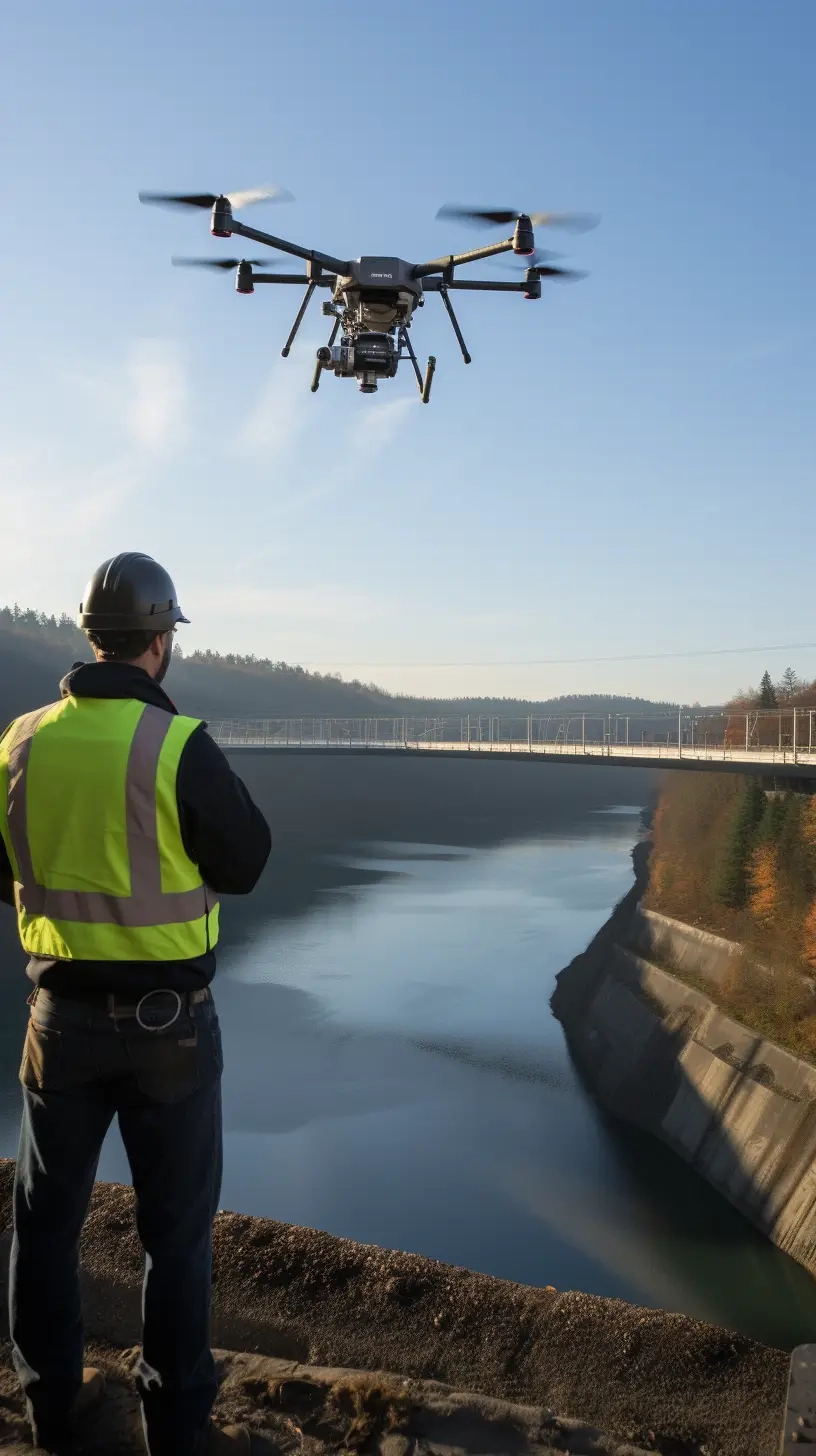

Forestry Drone Services

Precision mapping, canopy diagnostics, and heavy-lift logistics for modern forestry.

Forest rangers use drones for forestry monitoring

Forestry

1. Inaccessible Forest Areas
Steep slopes, dense canopy, and limited road access slow field crews and restrict how often hundreds or thousands of acres can be inspected.

2. Hidden Early-Stage Disease
Bark beetles, fungal infections, and drought stress begin in the canopy and remain unseen from ground-level surveys until die-off is visible and losses are already significant.

3. Difficult Terrain for Planning
Irregular topography complicates harvest planning, skid trail layout, landing site selection, and erosion assessment when based only on ground surveys and legacy contour maps.

4. High Labor and Transport Burden
Carrying tools, sampling equipment, and safety gear across rugged terrain reduces daily site coverage and leaves some priority stands unvisited.

5. Limited Structural Visibility
Ground surveys miss canopy height distribution, stand density, biomass variation, and regeneration patterns required for accurate forest inventory, growth modeling, and management planning.

How UAVs Strengthen Forestry Operations

Forest Mapping

UAVs generate high-resolution orthomosaics and digital surface models with ground sampling distances typically in the 2–10 cm range, giving managers up-to-date stand and terrain data without extensive ground access.

Health Diagnostics

Multispectral sensors, including red-edge and near-infrared bands, identify stress, disease pockets, and moisture variation across 50–200-acre stands long before symptoms are visible to crews on the ground.

Heavy Transport

100–300 kg platforms move tools, sensors, spare parts, and supplies to remote stands or steep slopes, reducing crew fatigue and extending the practical reach of field operations.

VANTA BOTICS Forestry UAV

Canopy Analysis

Multispectral imaging and canopy metrics (such as vigor indices and crown closure) help identify declining stands, disease progression, and species distribution at scale for faster silviculture decisions.

Terrain Modeling

3D elevation, slope, and surface models improve harvest block design, skid trail routing, road layout, and erosion risk assessment in complex terrain.

Remote Logistics

High-payload UAVs deliver equipment, temporary sensors, and field supplies to inaccessible stands where vehicles cannot reach and foot access is slow or unsafe.

Enhance your forestry operations with UAV systems built for canopy diagnostics, high-resolution mapping, and heavy-lift logistics. Improve stand visibility, reduce field strain, and access remote terrain where traditional surveys and transport are slow or unsafe.

Standards and Compatibility

VANTA BOTICS forestry solutions are designed to fit into existing forestry and land management workflows:

  • Compatible with U.S. Forest Service and Department of the Interior practices for UAV-based mapping and remote sensing

  • GIS-ready exports: GeoTIFF, LAS, DEM, canopy height models, and shapefiles for stand and road planning

  • Integrates with ArcGIS, Global Mapper, QGIS, and forestry management platforms used for inventory, planning, and analysis

Discuss Your Forestry UAV Needs

Forestry work demands precise data, canopy-level visibility, and reliable access across rugged terrain. VANTA BOTICS designs UAV systems that strengthen mapping accuracy, improve stand assessments, and reduce the physical load on field crews.

Tell us about your land base, terrain challenges, and data needs—our engineering team will help configure a UAV solution tailored to your forest operations.